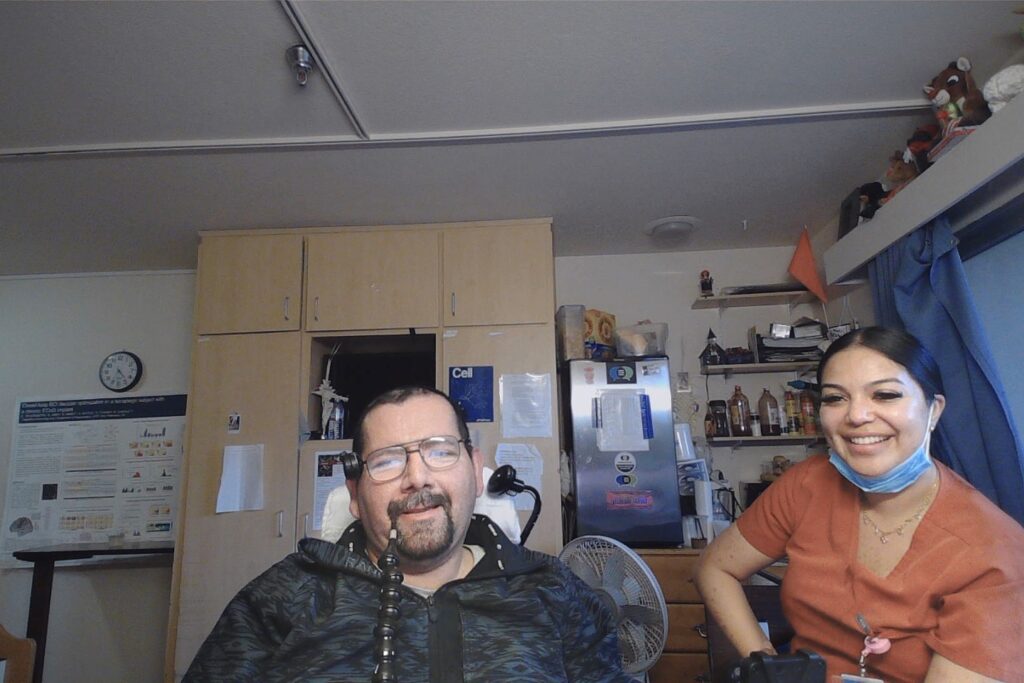
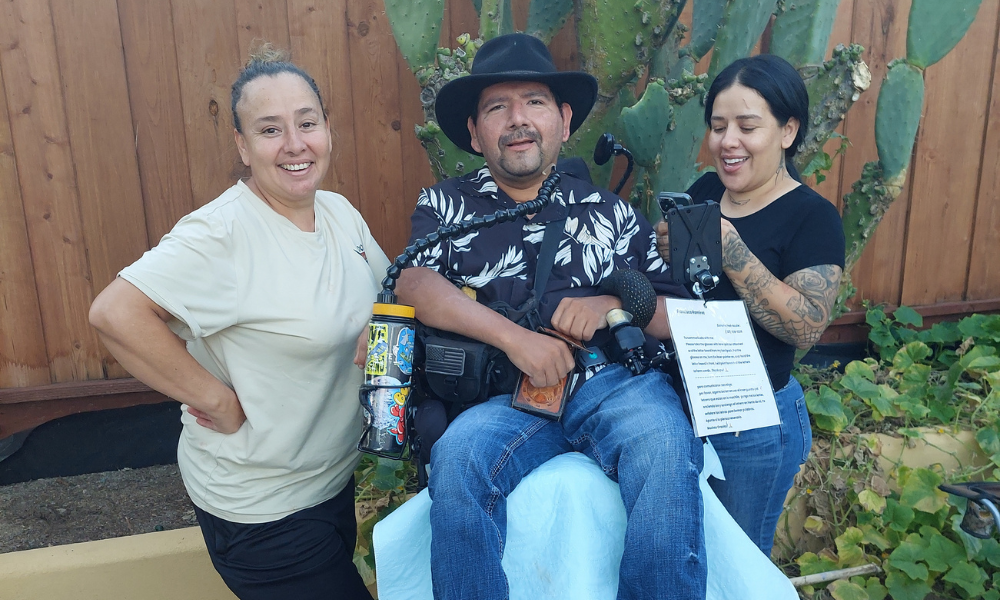
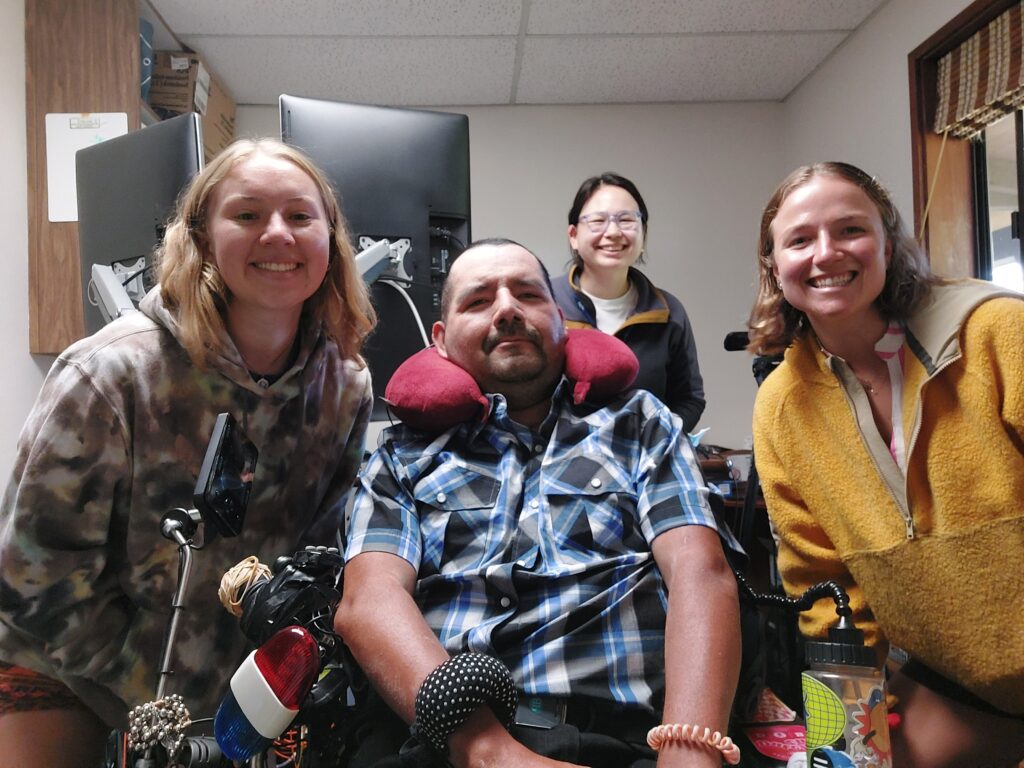
I have been back in my hometown in Mexico for almost five months now, and even writing that sentence fills me with emotion.
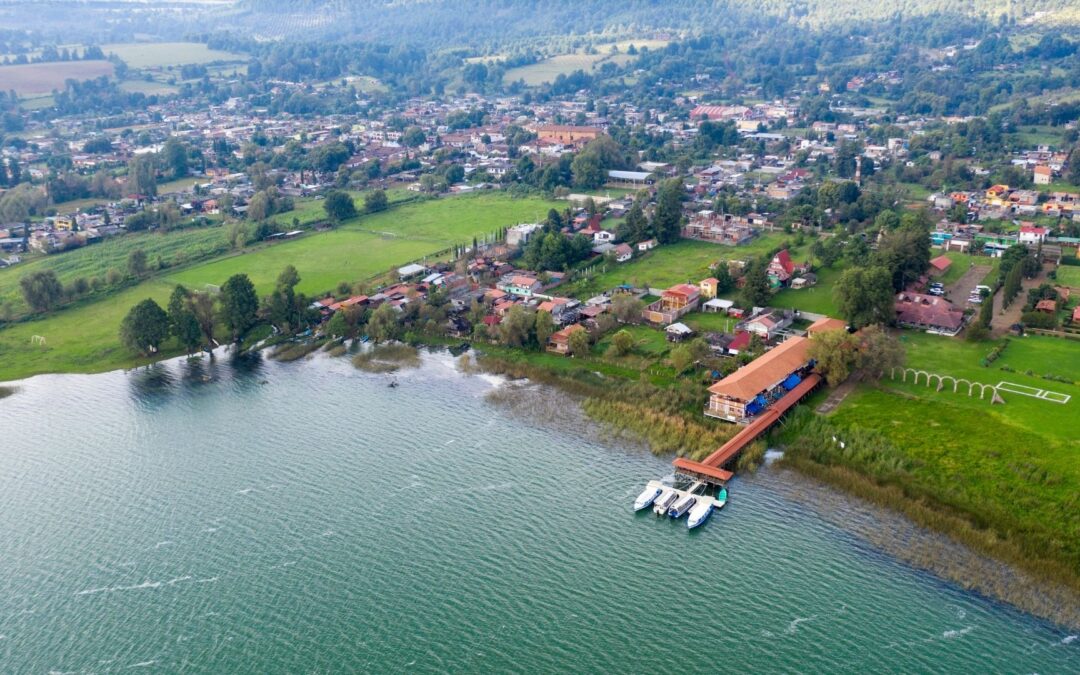
On January 31, I rolled into my sister’s home and began a new chapter of my life surrounded by family, familiar faces, and the place that helped shape who I am.
After spending 27 years in the United States, coming home was not a small decision. It was not something I took lightly. A person does not live away from home for that long without carrying a lot of memories, questions, fears, and emotions.
So naturally, some people may wonder:
Why didn’t I come back sooner?
The truth is, it was never simple.
After I became a person with a disability, the idea of returning to Mexico felt very complicated. It brought fear, vulnerability, and many mixed emotions. I had gone to the United States with the dream of supporting my family and helping them fight poverty. Coming back needing so much help felt, in my mind, like the complete opposite of what I had hoped for.
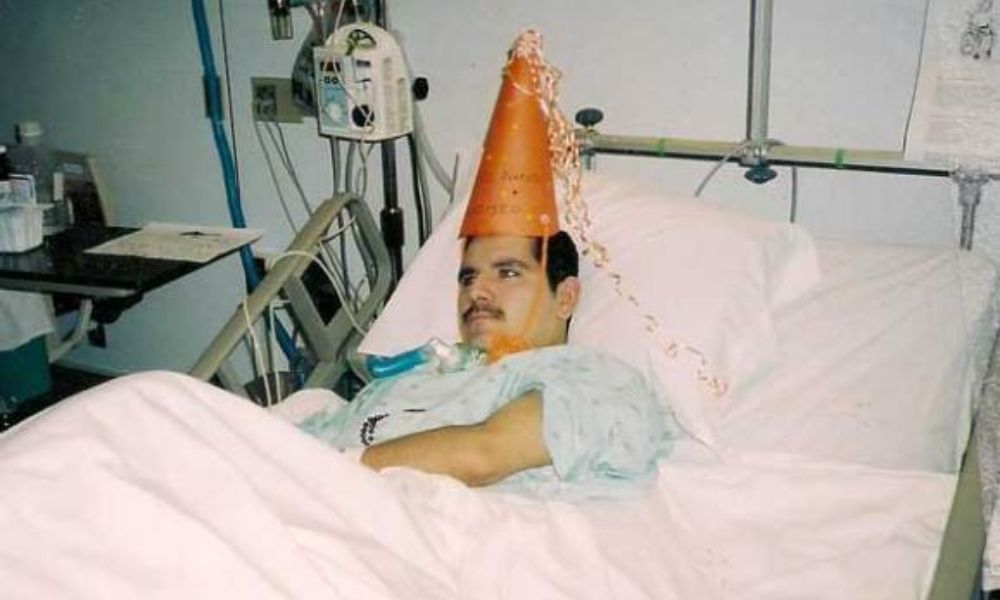
It was about 6 or 7 months since I became disabled. My first new year’s in a hospital. Healdsburg hospital 2004.
For many years, that was very difficult for me to accept.
But little by little, something inside me began to change.
When I joined CommunicationFIRST, my way of thinking about disability started to shift. I met and learned from other people with disabilities, including people with disabilities similar to mine, who were doing powerful and meaningful things. They were advocating, leading, teaching, creating change, and living with purpose.
Seeing them opened my eyes.
They reminded me that disability does not take away a person’s worth. It does not remove a person’s dignity. It does not erase someone’s ability to love, contribute, inspire, and make an impact.
That change in perspective helped me see myself differently. It gave me more confidence. It helped me begin to imagine returning to Mexico not with shame, but with a different heart and a stronger mindset.
At the same time, I remained deeply committed to the clinical trial at the University of California, San Francisco. Being part of that research meant a great deal to me. I felt honored to contribute to work that could help improve communication for people who cannot speak.
For more than six years, I stayed committed to that study. I wanted to continue for as long as I could. The research team wanted that too. But eventually, the implant became unstable, and the brain signals began to weaken. The doctors, surgeon, and researchers decided that it was no longer worth the risk to leave the device in place. There was a possibility of infection, and that could have put my life in serious danger.
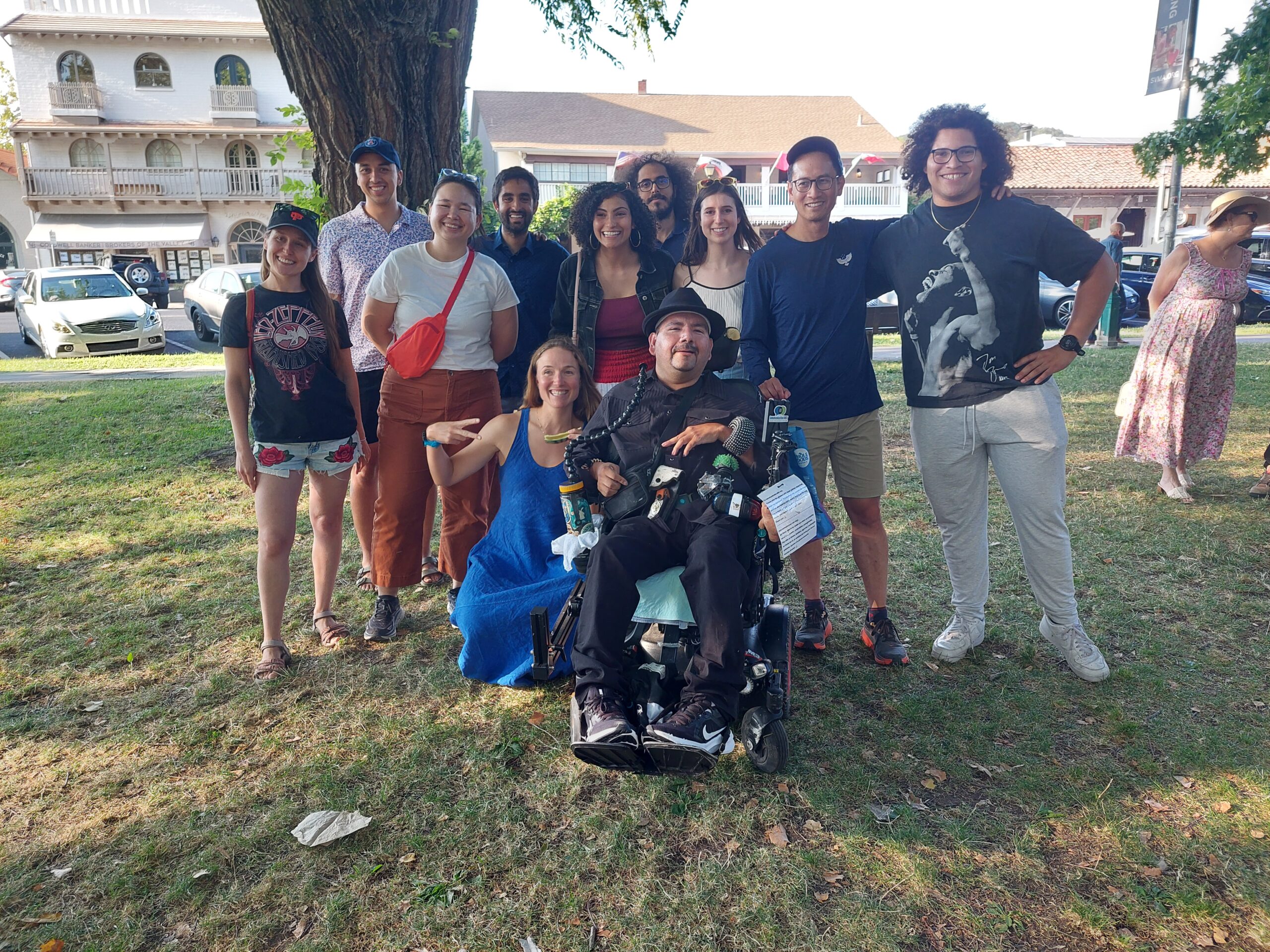
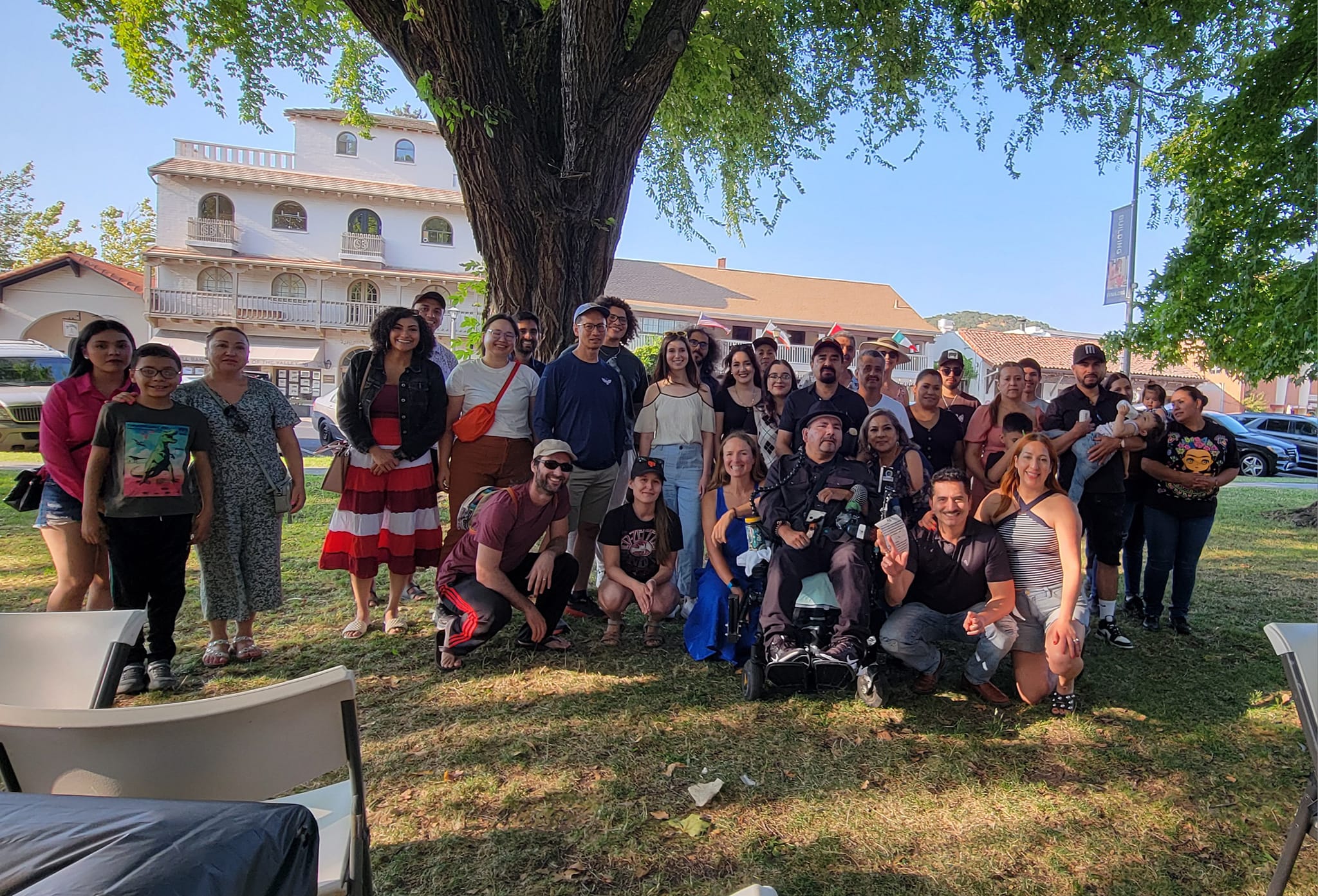
Celebrating my birthday in the Sonoma Plaza in the year 2024Celebrating my birthday in the Sonoma Plaza in the year 2024
So we had to choose a date for surgery to remove the device.
Everything happened very quickly and unexpectedly. The surgery was scheduled just a couple of days before my birthday celebration. My birthday was Wednesday, July 23, but I usually celebrate on the following Sunday, which would have been July 27. Because of the operation and the antibiotics I needed to take for nearly a month afterward, I had to postpone my birthday celebration until August.
Once I was no longer participating in the research, something shifted in me.
I felt a strong need to come home.
Not because I was bitter. Not because I was discouraged. Not because I had given up.
It was actually one of the hardest decisions I have ever made.
Yes, I wanted to continue in the trial. And yes, the team wanted me to continue too. But I would have had to wait about a year before I could be re-implanted. I did not want to keep waiting. More than anything, I did not want to return to Mexico in a box and never again see the family I still have here.
That truth stayed with me.
And that is something I want others to think about too.
Sometimes we wait too long. We wait for the perfect time, the perfect health, the perfect situation, the perfect plan. But life does not always give us perfect conditions. Sometimes the warning is quiet, but serious: do not wait until it is too late to return to the people and places that matter to you.
Of course, leaving the United States was not easy.
I had built a life in Sonoma, California. Saying goodbye meant leaving behind many people I love—my beloved sister, her husband and their family, my brother, dear friends, relatives, caregivers, and people who became part of my story.
I also carry deep gratitude for the nursing staff at Healdsburg Hospital. They were incredible. In many ways, they helped save my life. I was in very bad shape at that time, and without their care, attention, and compassion, I truly do not think I would have lasted much longer.
That was about 19 years ago, before I moved to the nursing home in Sonoma, California.
To all the nurses, CNAs, and everyone who cared for me at Healdsburg Hospital: THANK YOU. I will always remember you. God bless you all.
In January 2007, after I had improved a little, I was transferred to the nursing home. When I first arrived, it was called London House. Later, it became Golden Living Center, and eventually Sonoma Post-Acute, which is what it is called today.
Over the years, many people there treated me with kindness and care, especially the nurses, CNAs, housekeeping staff, activities staff, and others who helped make daily life easier. I did have some disagreements with management from time to time, especially with administrators, but aside from that, many people were very good to me.
Things became even better once I was able to leave the facility and go out by myself. I could go into the community whenever I wanted. I had a curfew, but honestly, it was VERY NICE—and I hardly ever broke it. 😂
What I miss most are not the walls of the nursing home. I miss the people who made those years more human. I miss my nurses and CNAs very much, and I truly hope some of them make it to Michoacán someday so I can see them again.
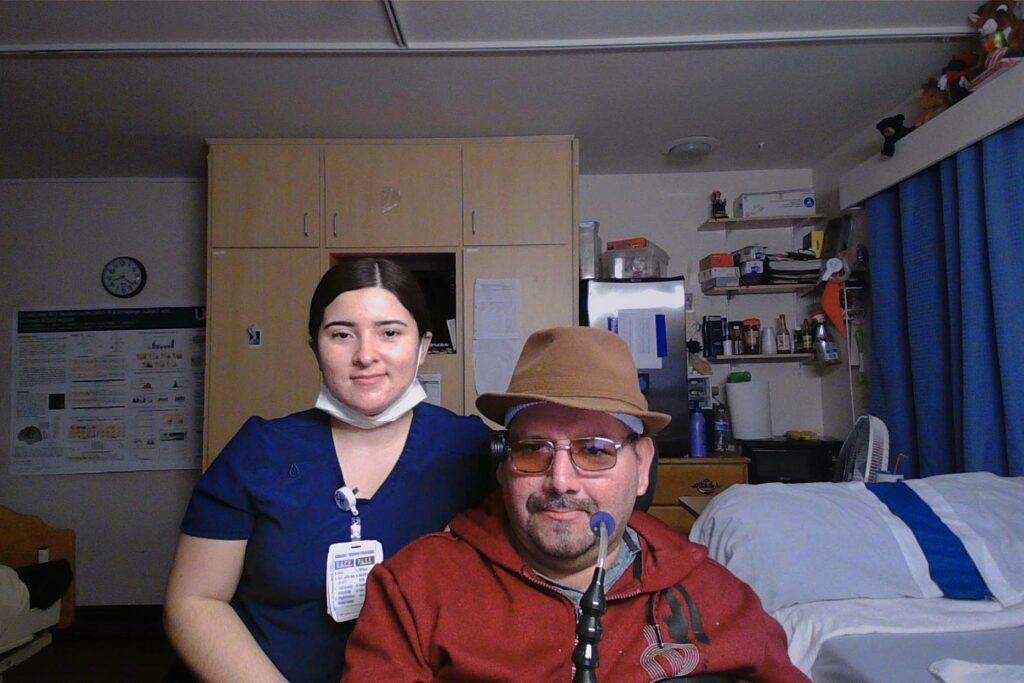
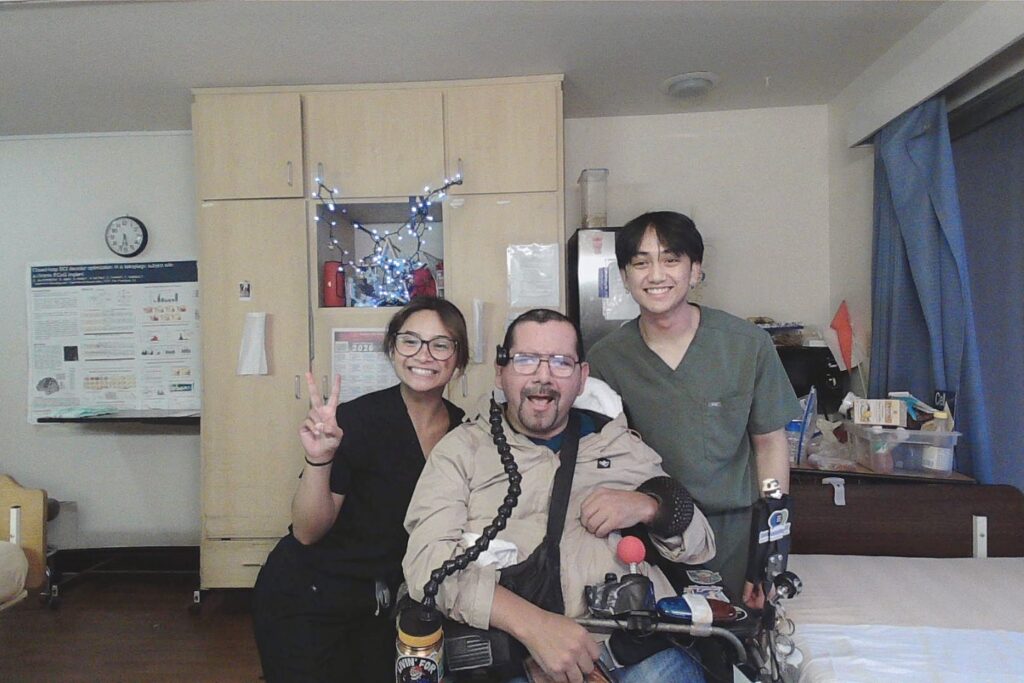
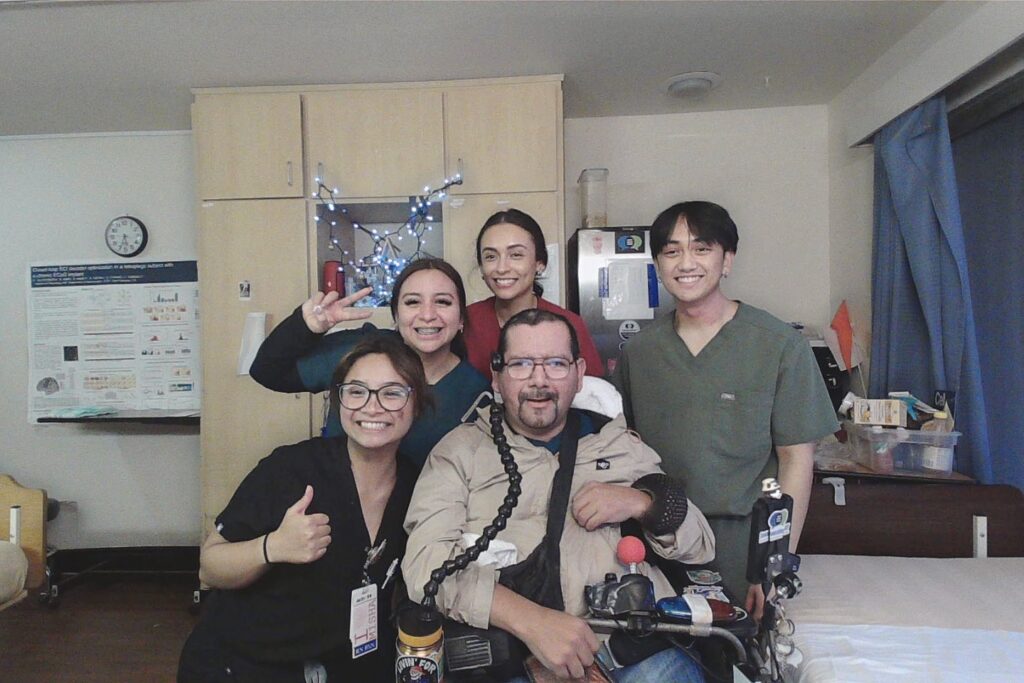
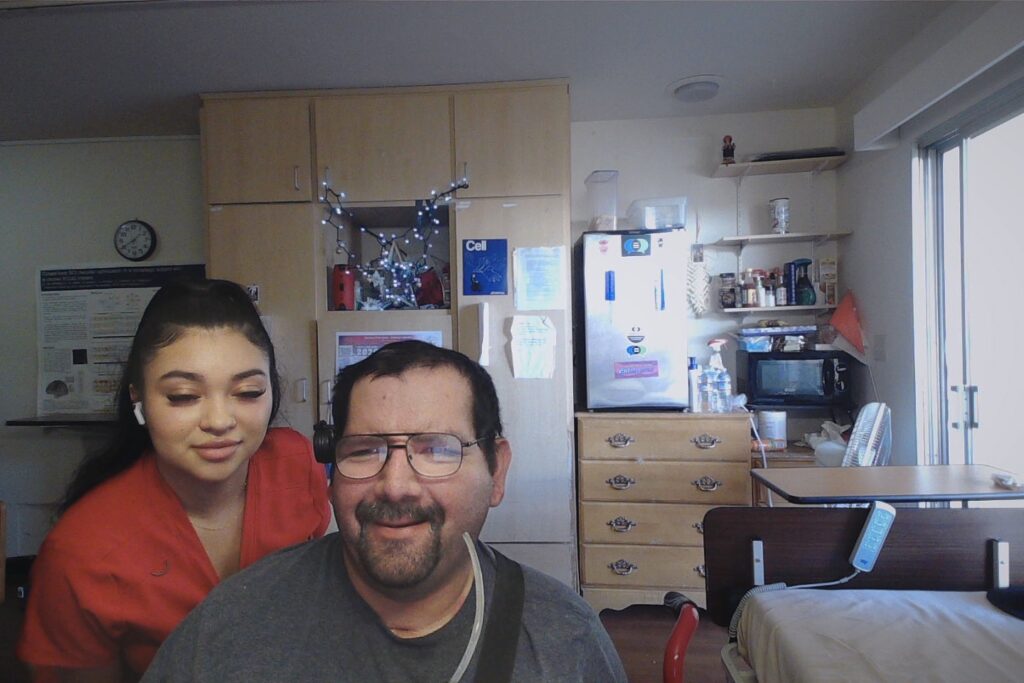
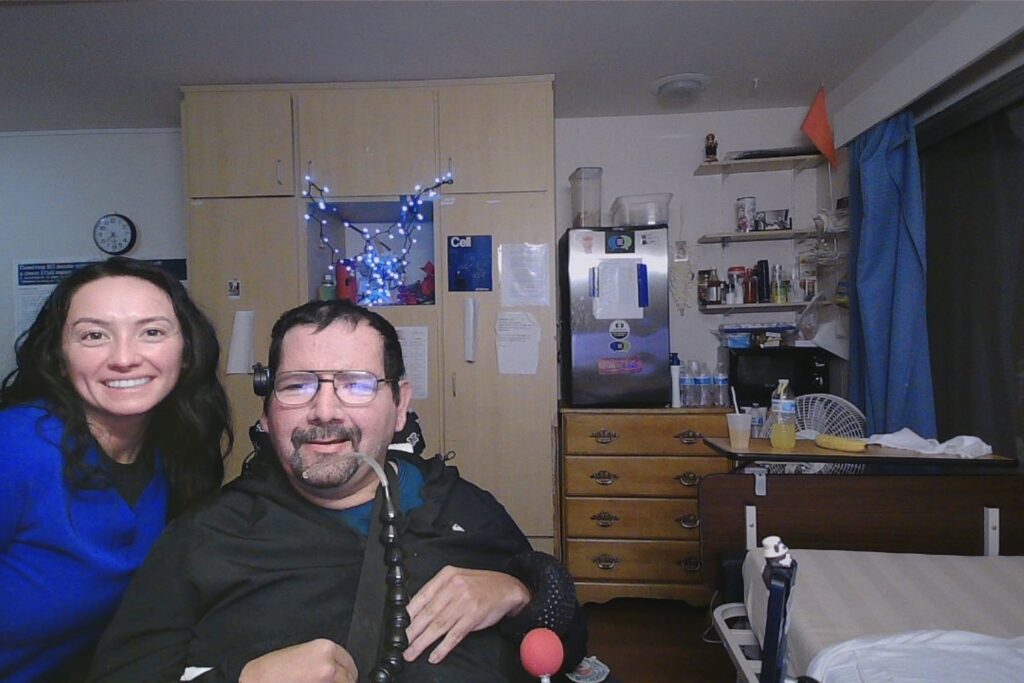
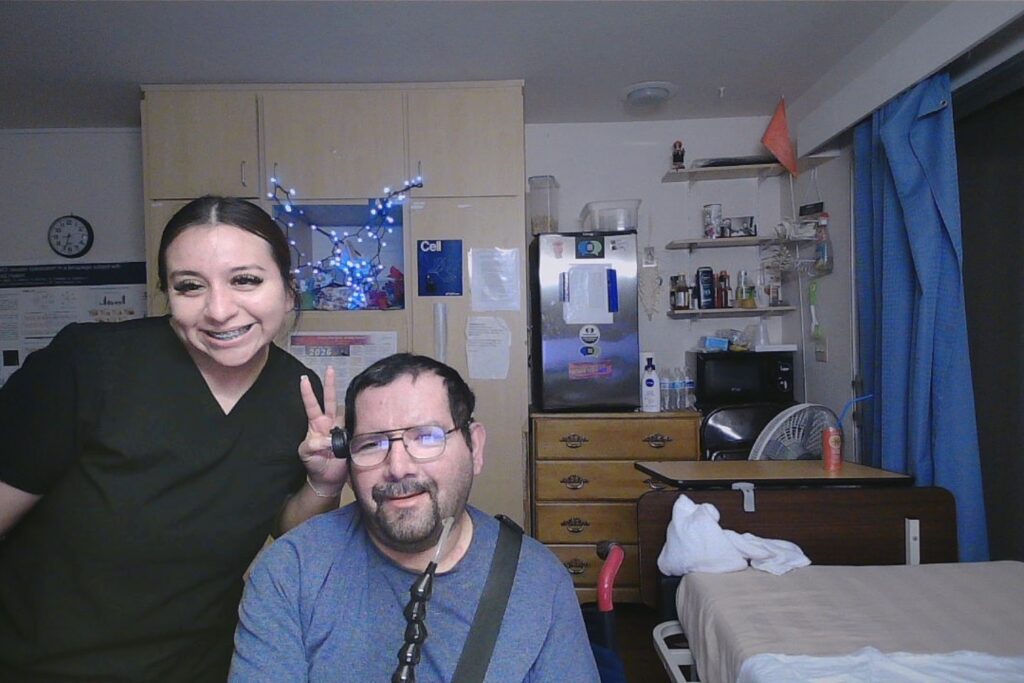
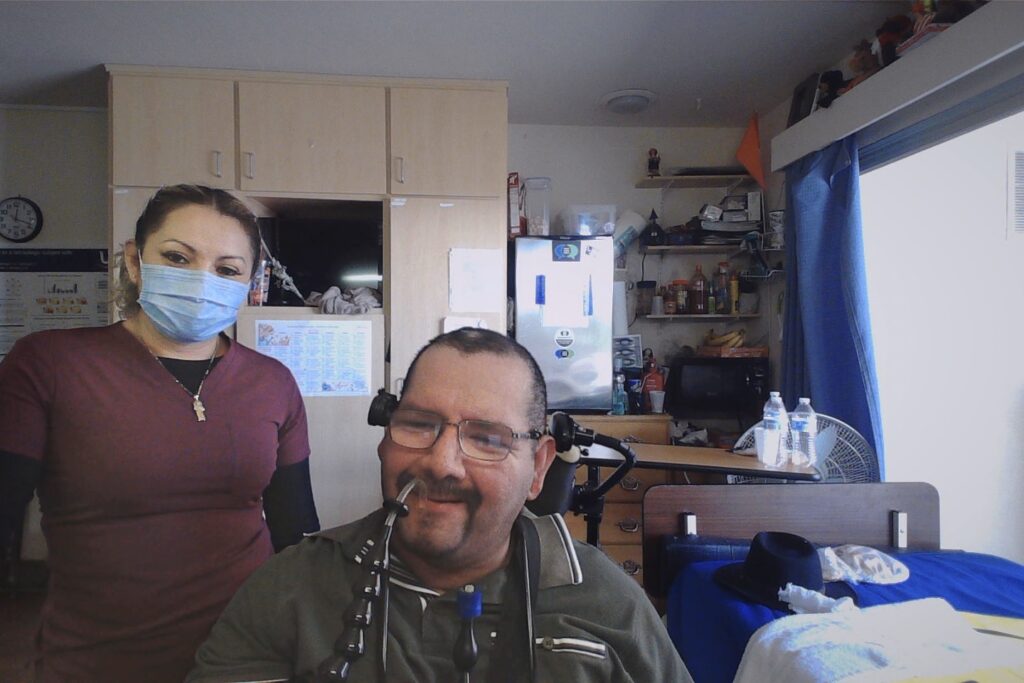
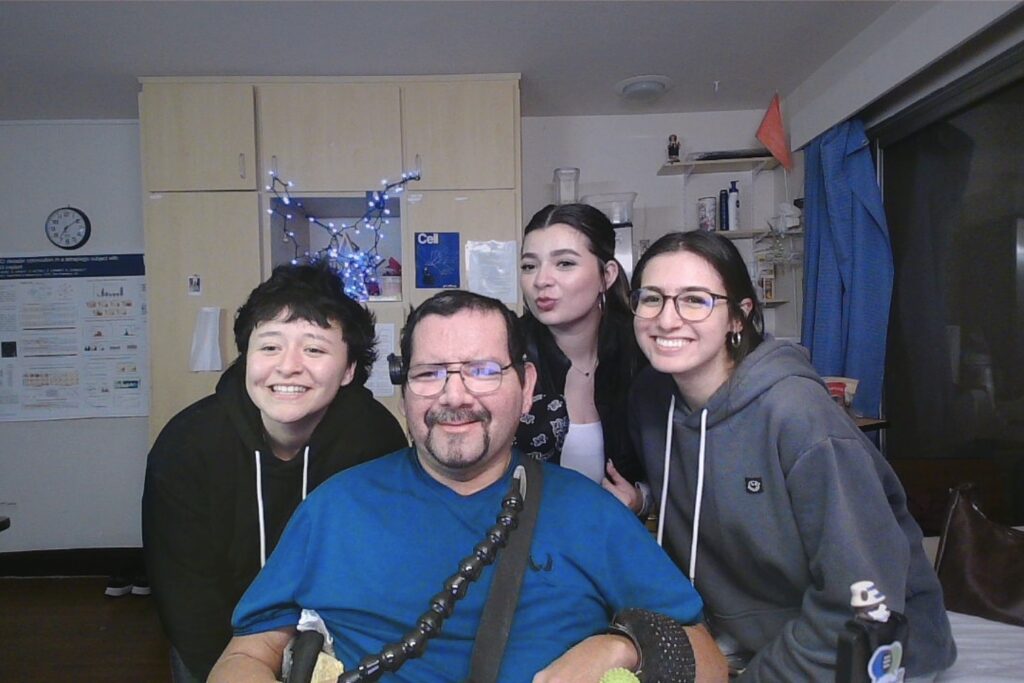
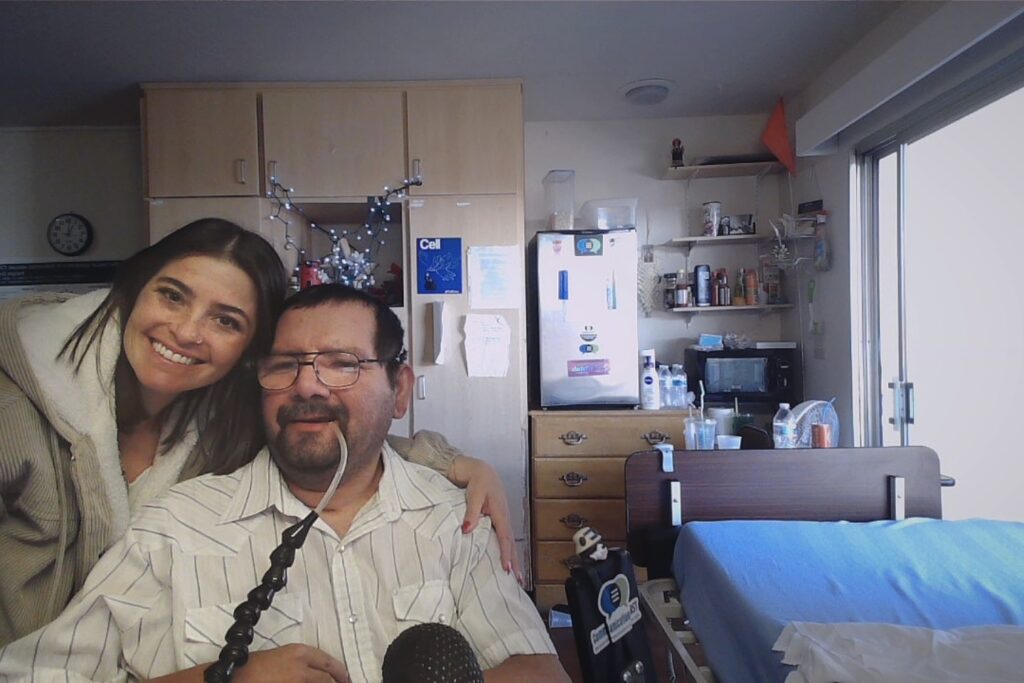
Some of my nurses and CNAs at Sonoma Post-Acute
I was also blessed by the kindness of many people in everyday life.
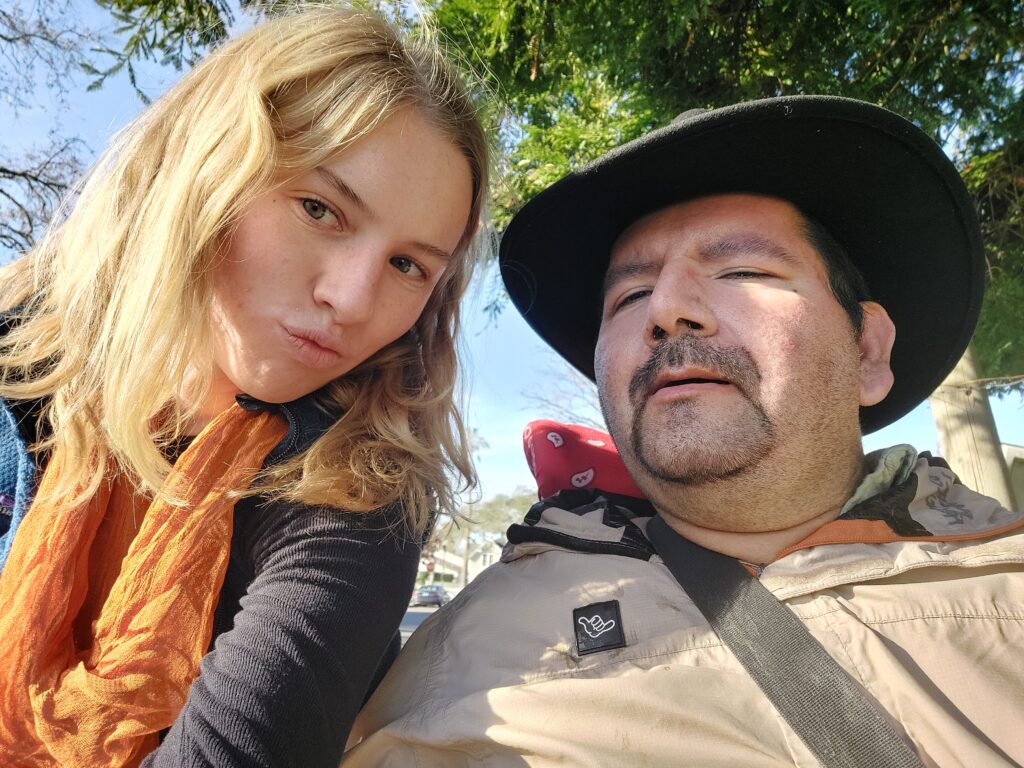
When I went to the store, people helped me shop for groceries. At church, people helped me get settled and even took off my cowboy hat for me. Those gestures may seem small to some people, but to me they meant a lot.
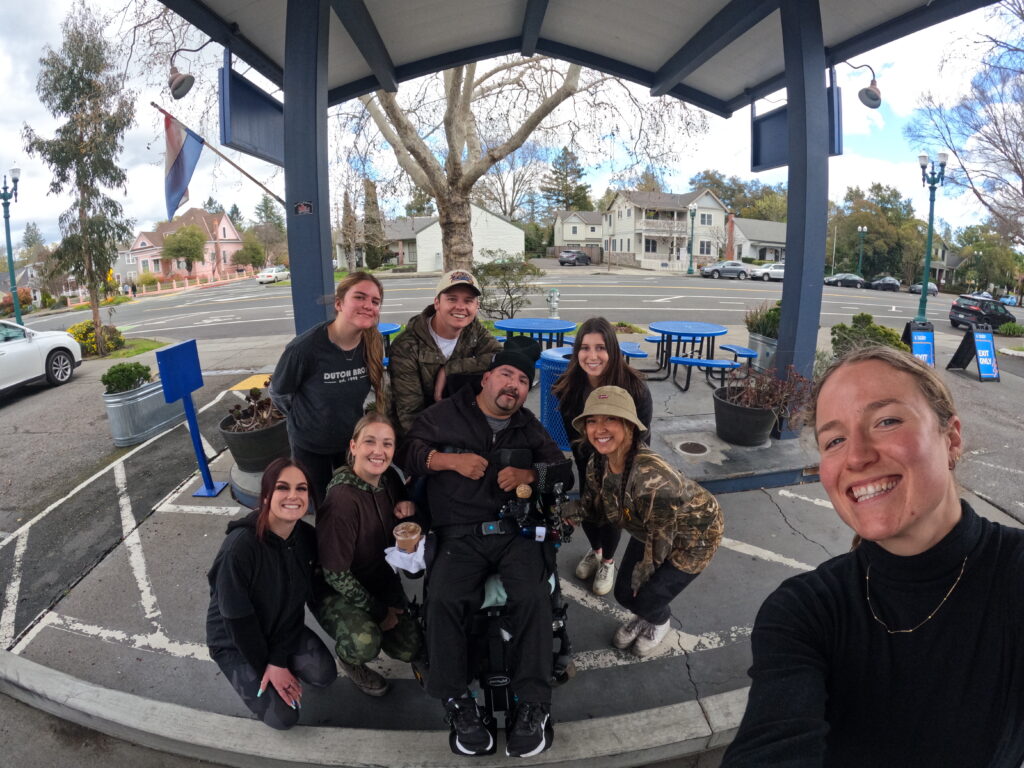
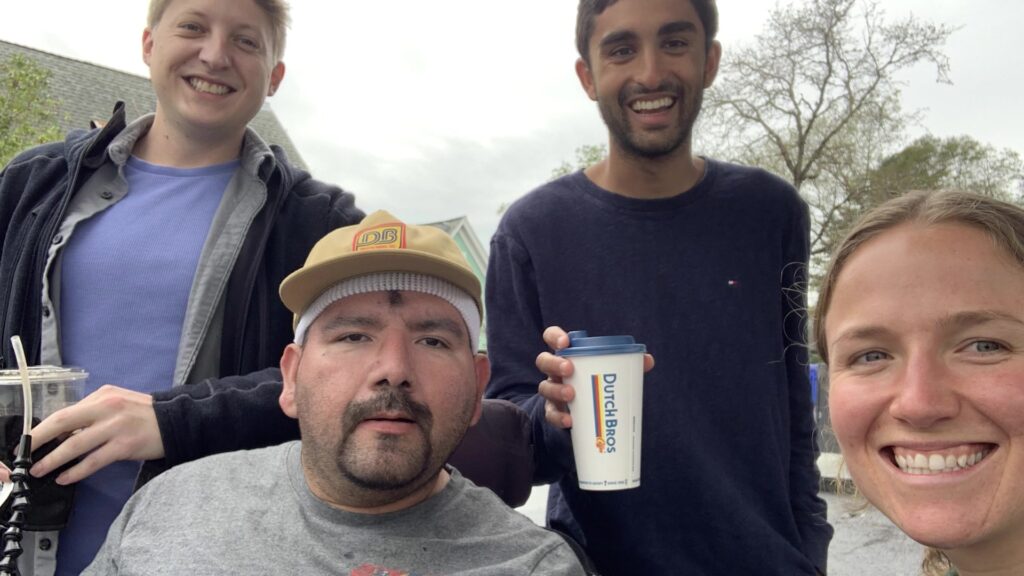
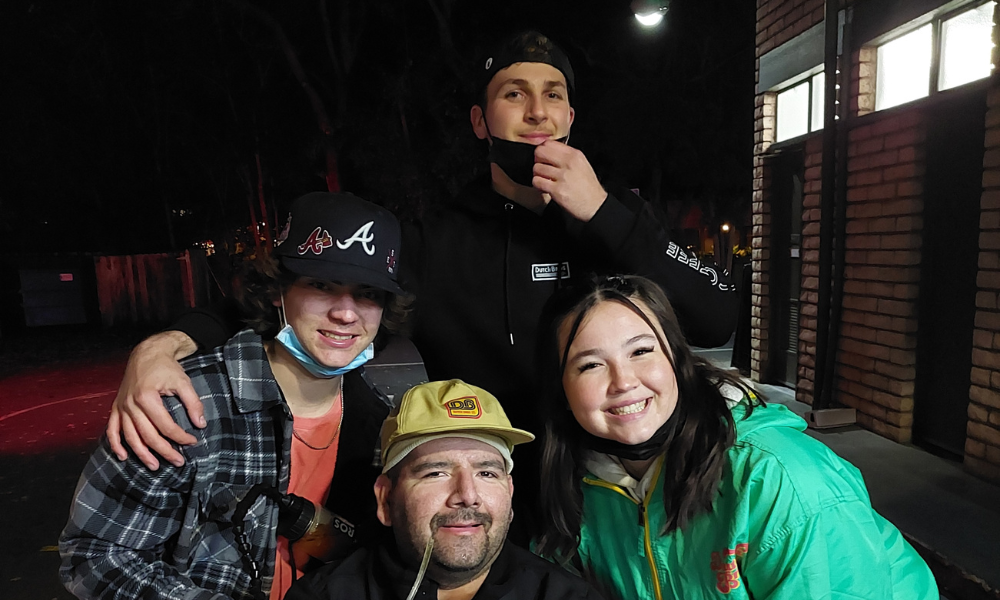
One of my favorite places to go was Dutch Bros Coffee. The young people there were phenomenal—welcoming, kind, and full of good energy. I even got free drinks. Of course, the free drinks were appreciated, but what mattered most was their friendship. They made life warmer.
Some of my Dutch Bros friends
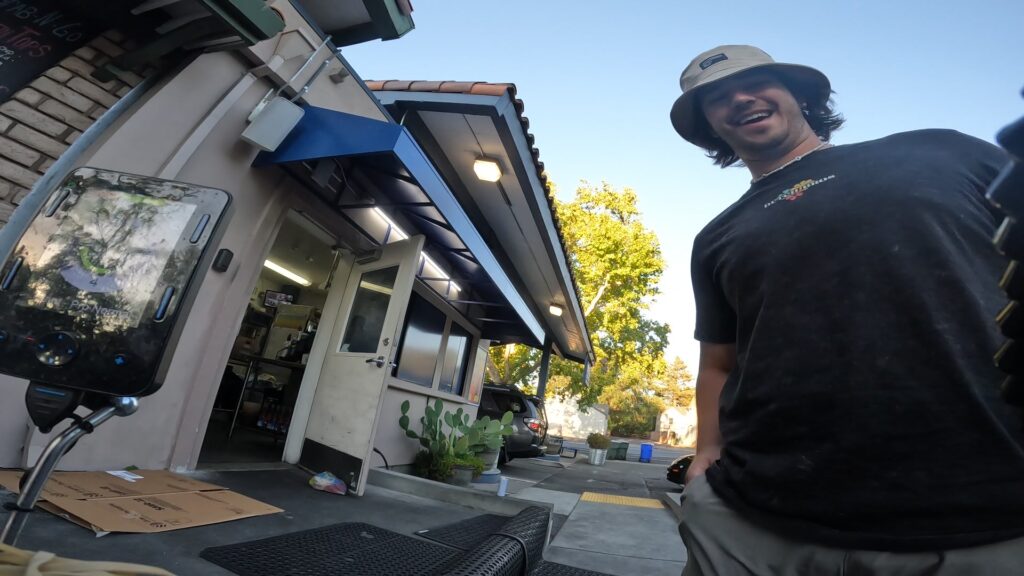
This video was taken for my birthday in July 2022. I always wanted to have a GoPro camera, and the people from UCSF helped me to get it
I was also fortunate to have a couple of Americans who became like a second family to me. They supported me throughout my years in the nursing home, both financially and emotionally. They made sure I had dependable people looking after me. That kind of love and support is something I will never forget.
So yes, leaving after investing so much of my life there was enormous.
But deep in my heart, I knew it was time.
So I came home.
And now, after 27 years away, I am here again—back in my hometown, back with family, and back in the place where my parents were laid to rest.
It has been an emotional journey, but also a beautiful one. In many ways, coming home meant listening to my heart. It meant honoring my life. It meant choosing to return while I still had the chance.
And more than anything, it feels like a BLESSING.
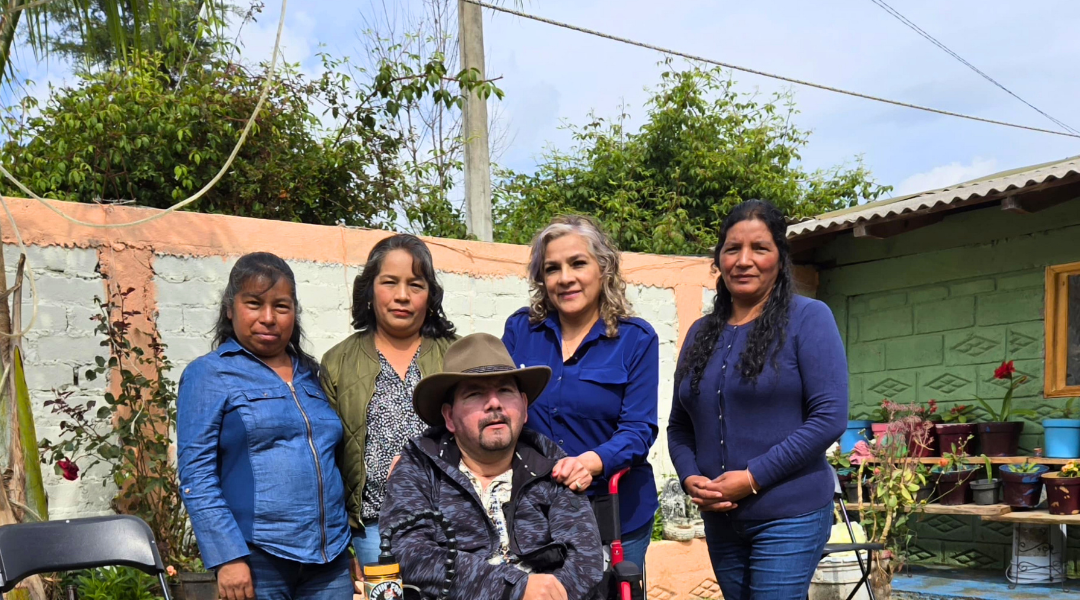
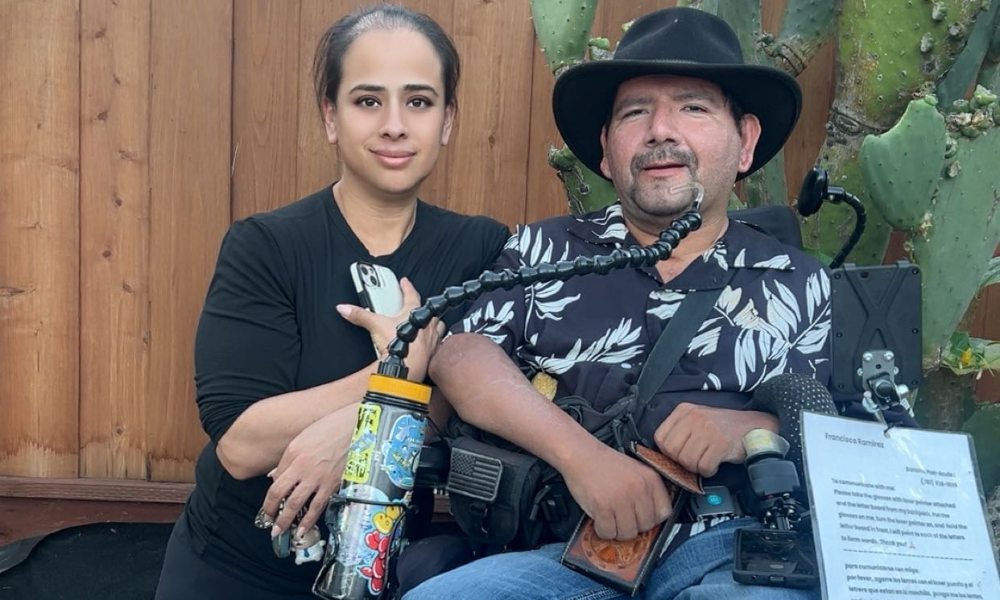
The day of my arrival at my home, January 31 of 2026
I’m launching an online fundraising campaign. I’ve been longing for many years to go back to my hometown in Mexico, but I haven’t seen the way, the possibility, to make it happen. I was so ashamed of myself and couldn’t dare to leave the country like this. That would never happen, “I would rather die in foreign lands”, I used to think. I remember when I was a new arrival here at the nursing home; I was thinking about going back, but that was just a flash in the pan. I thought, “Don’t be stupid, you are just going to make people feel pity for you.” I couldn’t do that, my pride was too great! Probably, the type of pride nobody wants to have, but they don’t realize that’s already what they've got. Which is unfortunate, because you can’t see beyond your own nose, and think clearly.
I’m older now, and many new things have happened to me—many people, GOOD PEOPLE! God has brought them into my life and helped me in many ways. They changed my way of thinking, how I see things, and even helped me become smarter. I don’t think as poorly anymore. I believe anything is possible, and I can return to my hometown now. I learned that there’s no greater obstacle than yourself.
Moreover, I wish to be an elderly man over there. So I'd better hurry and get going soon, because I’m not too young now.
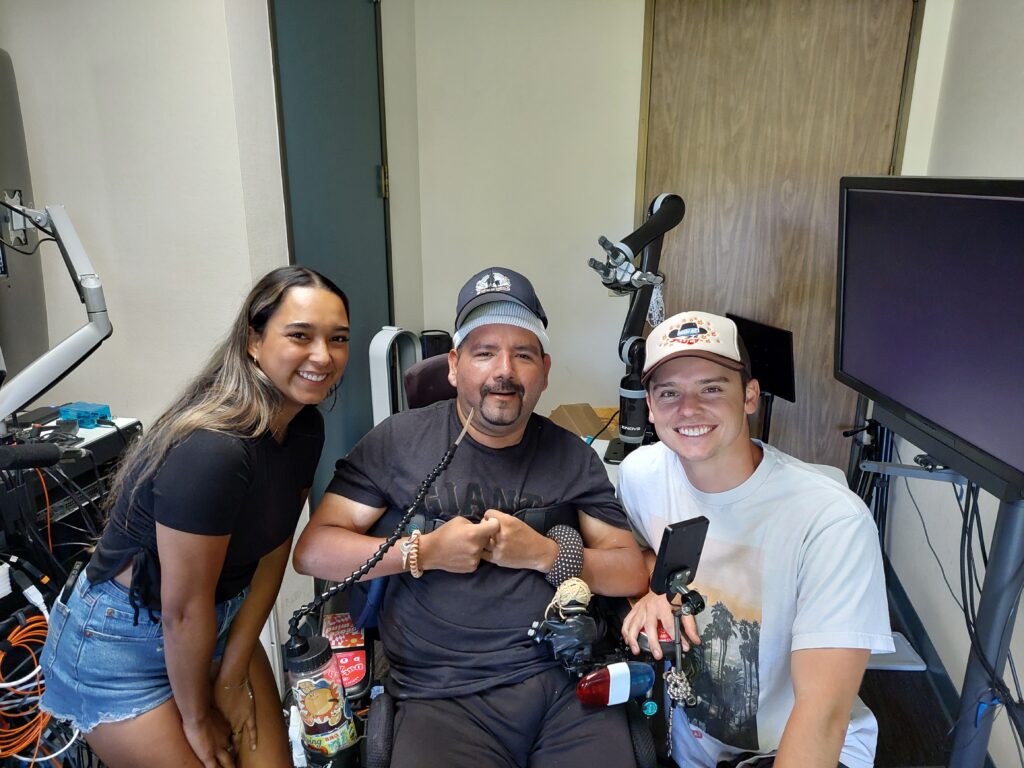
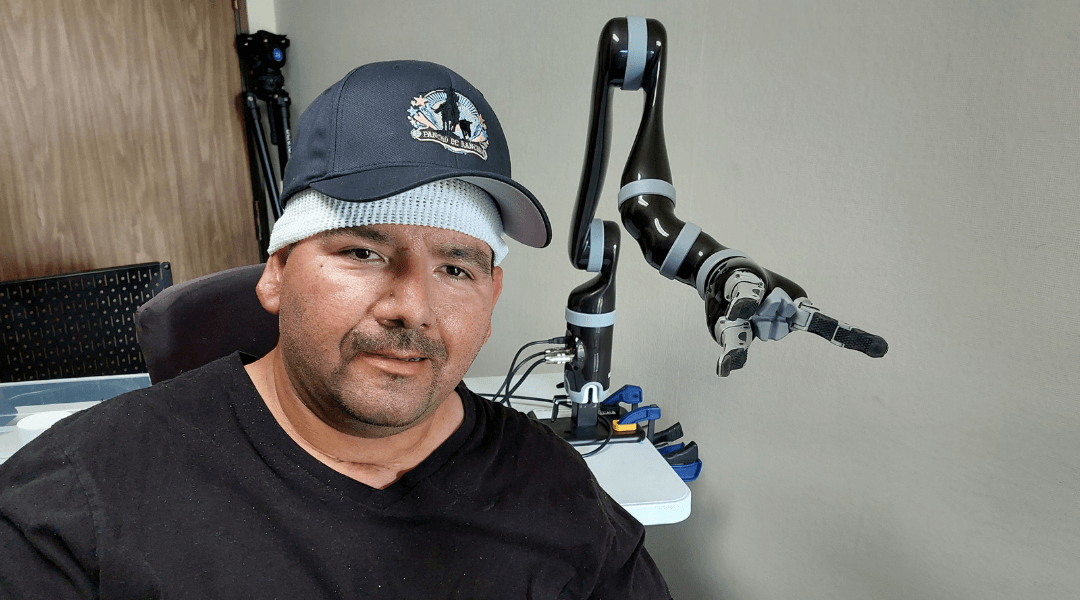
After almost three years of training with the dot and exoskeleton, we started training with a robotic arm in a virtual environment for some time. Then, we transitioned to the real thing I always wanted: a real robot arm. That was the main reason I entered the clinical trial. The speech decoding was very cool, but the robot arm was more appealing to my ears.
I always wished to be able to do my things, feed, drink, and do basic stuff for myself, and so I saw the opportunity with the robot arm coming my way.
It was AMAZING! I started doing basic tasks, reaching out, to see how well my control was, with five, I don’t know how to define it, imaginary /attempted movements, let’s stick with that. I have been saying “imagine” gestures, but I move my nerves behind the scenes.
The robot arm can be used in different ways. It can move straightforwardly, like when someone straightens their arm. It can also go into a downward and lateral position and be rotated accordingly.
To go to the right side. I attempt to move my right thumb.
To go to the left side. I attempt to move my left thumb.
To go backward, I attempt to move my head back and forth.
I attempt to squeeze/tighten my left leg muscle to go forward.
To go upwards, I attempt to move my lips.
To go downwards, I attempt to move my tongue.
Making the transition means entering rotation and grasping mode. I have to try to wiggle my two middle fingers simultaneously. When the switch happens, you can see the big screen, where a rectangular shape is drawn. It switches from red to blue. The red color means it can move, and the blue color means it can rotate and grab objects.
To rotate clockwise, I attempt to squeeze/tighten the muscles in my left leg.
To rotate counter-clockwise, I attempt to move my head
To move forward toward an object while in the switch mode, I attempt to move my tongue
To move away from an object while in the switch mode, I attempt to move my lips.
I attempt to move my right thumb to close the fingers and grab the object while in the switch state.
To open the fingers and release the object, I attempt to move my left thumb while in the switch state.
The same steps apply to taking this in a lateral position, although it is slightly different. It doesn’t rotate, but it bends. Imagine bending your hand at the elbow. Well, the robot arm does, sort of, like that. It turns like a curve, just like bending your elbow.
To bend it towards me while on the switch state, I attempt to squeeze/tighten my left leg muscles
I attempt to move my head to bend it away from me while in the switch state.
To go forward toward the object while in the switch state, I attempt to move my tongue.
To move away from the object while in the switch state, I attempt to move my lips.
I attempt to move my right thumb to close the fingers and grab the object while in the switch state.
To open the fingers and release the object, I attempt to move my left thumb while in the switch state.
’ve been a little too busy doing other things and haven’t updated my website for several months now; that’s terrible!
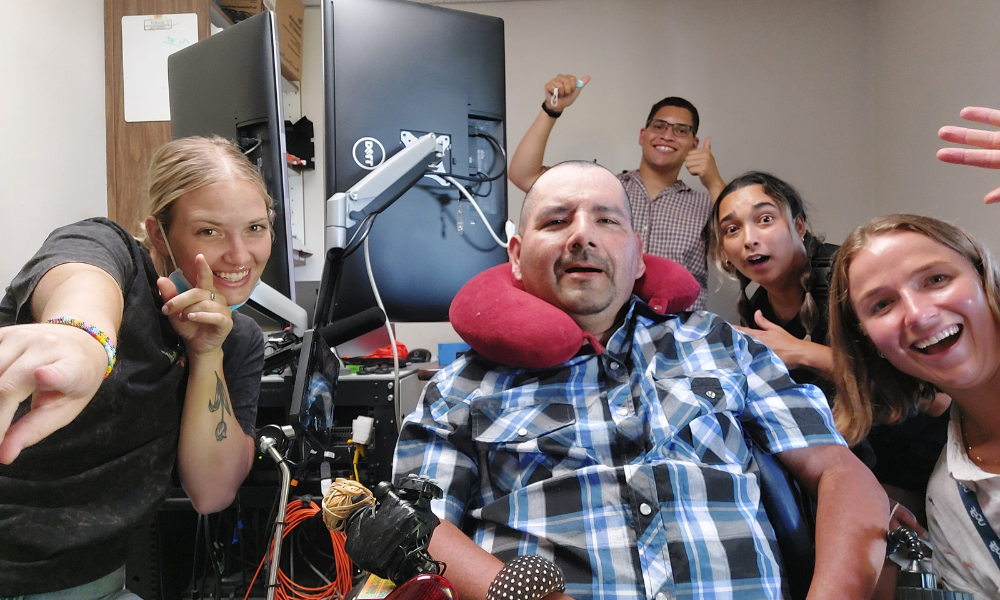
I will start by introducing my robotic arm—well, not mine. It's the robot I work with the clinical trial team at the office. It’s pretty incredible! Let me go back to the beginning.
When we first started, it wasn’t anything physical or something that looked even close to a robot arm. It was just a “dot” on the screen, a big monitor with a dot floating around it, that was all! Well, I only had to control the dot with my imagination. I thought it would be a piece of cake, my goodness! It was hard as heck! It took numerous attempts, but we did it, thank God! I managed to make it work as intended.
Such a dot represented a computer's cursor, so I played with it, moving it around the screen. I started with four basic, imaginative movements: I moved my head left to make it move to the left. I moved my head to the right to make it move to the right, and I moved my arm up and down to make it move up and down.
I did not keep any of those videos to show you, sorry!
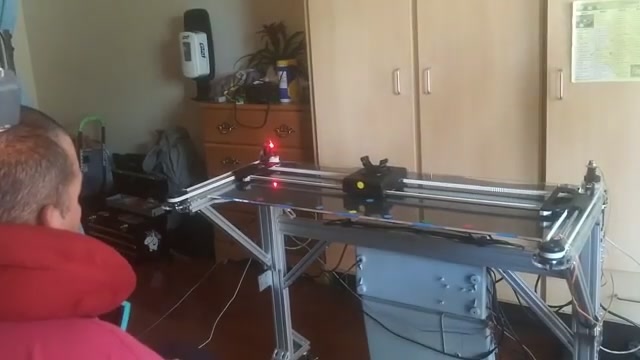
After training with the dot control for some time, we moved on to a different project. It was called a planar robotic manipulandum for upper limb assessment and movement assistance. It was a device on a table with a crystal clear plastic base full of cables and electronics. The device connected to my arm at the wrist, and I could move it through a horizontal workspace while measuring the applied forces. They also had an assistive glove called the exoskeleton that assisted with opening and closing my fingers.
I did keep videos of the Planar Table and Exoskeleton.
Then, we went back to play with cursor control but tried different imaging techniques. Sometimes, I felt a little silly, but I tried to do everything I was told. I was trying to move my left thumb to go left, my right thumb to right, my head upwards to go upwards, and my toes downward. As time passed, we learned a lot of new stuff and strategies.
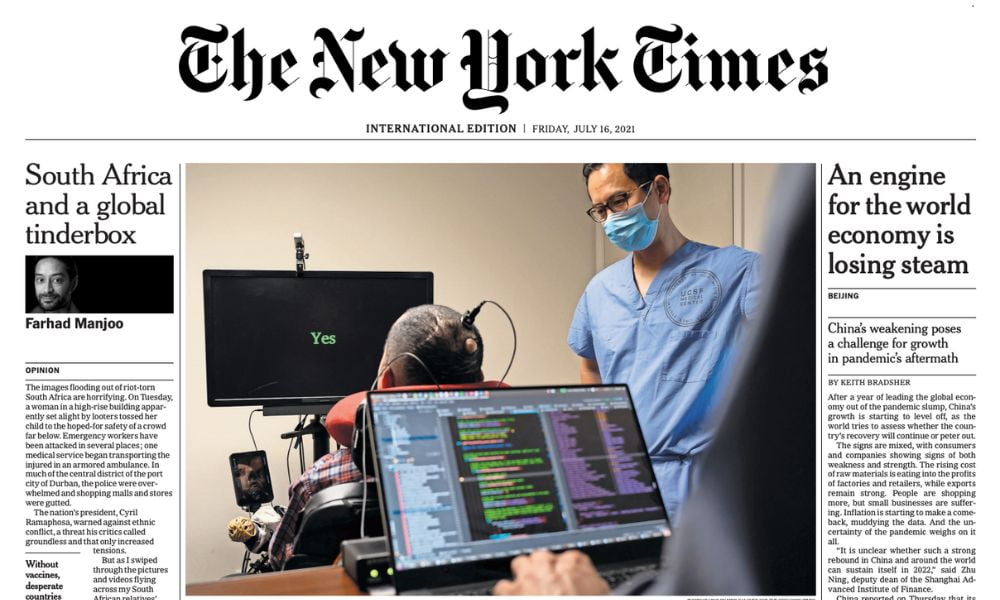
It was 2021, and new and exciting things have unfolded since then. Both the Speech Decoding and Robotics teams revealed exceptional and highly successful work. July emerged as a pivotal month, as the speech researchers aimed to unveil their findings in a prestigious publication, The New York Times. July 15th was the target release date, and I found myself in the spotlight, engaging in an interview with the esteemed journalistPam Belluck.
Accompanying this was an engaging photoshoot by photographer Mike Chen, who later became a close friend of mine. When the article finally graced the pages, the researchers and I were very excited, or as they usually say, “STOKED.” Witnessing my involvement in documented history and possibly reaching a global audience felt surreal.
Just eight days after the publication, I celebrated my birthday surrounded by family, friends, and almost all the clinical trial researchers. Dr. Adelyn Tu-Chan marked the occasion with a heartfelt FaceTime call, extending birthday wishes and revealing a message from an individual who works at UCSF, whom I soon discovered was Dr. Clarissa Kripke.Moments later, Pam Belluck, the reporter, FaceTimed me too, serenading me with birthday greetings in Spanish, French, and Mandarin—a delightful moment!
Dr. Clarissa Kripke was the Vice Chair of CommunicationFIRST, an organization dedicated to protecting and advancing the rights of individuals with speech-related disabilities through public education and systemic advocacy.
They wanted my presence on the board of directors, a proposition that stirred conflicting emotions within me because of my work background. Uncertain of my qualifications and the impact I could make, I hesitantly agreed to join this noble cause. However, before I could be officially on the nonprofit, I still had to be voted in by all the board members then in office. The pivotal voting day arrived on November 19th, 2021, and with resounding support from the board members, I proudly became a member of CommunicationFIRST. The initial board meetings were daunting, but as time passed, I adapted and became more accustomed to them.
In March 2022, we celebrated the third anniversary of the clinical trial that marked the beginning of this transformative journey. Gathering at the Plaza downtown, amidst the chilly weather, we commemorated the significant milestones achieved thus far.
However, as we rode the wave of progress, life took an unforeseen turn. In April 2022, a COVID-19 outbreak shook the nursing home community, affecting numerous residents, including my roommate. Naively thinking I had escaped the clutches of the virus, I received the unfortunate news of my positive test result on April 6th. I was temporarily moved to a different room and isolated; I couldn’t go out. So I took it as a real vacation and slept in all day, not getting out of bed. It wasn’t because of feeling bad or ill, noooo! COVID was good to me and didn’t treat me as badly.
I was out of quarantine and returned to my original room on April 14th or 15th. I was thrilled to return to normal and be able to go out again. Although I wasn’t feeling ill while being isolated, I was exhausted from being in quarantine.
The months flew by, and before I knew it, my birthday had once again crept up on me. July 23, 2022, that year was the big 4-0! As always, it was time to gather all the people I hold dear for a grand celebration filled with laughter, joy, and cherished memories. As usual, we celebrated at the Plaza. I find it hard to believe I’m getting that old already; getting old is great, don’t take me wrong, I feel strange. Anyway, we had a wonderful, fun time together, and I just had a brand-new GoPro video camera to film the beginning of a new chapter in my life.
The following month, on Wednesday, August 24, 2022. I was heading to the office, where we do the recording sessions; I was going to test with the robotics team, who were supposed to record that day. It was an early, fresh, sunny morning when an unexpected incident shook my routine. While navigating my power wheelchair along the sidewalk, a misstep led to a fall onto the street. The impact of the unforgiving cement left me drifting into unconsciousness. When my senses gradually returned, I found myself in the emergency room. The girls, who were waiting for me at the office, were standing there by my side, making sure I was okay. My sister was also there; she got a tremendous scare, fortunately, just a scare.
That was the first time I fell off the sidewalk. I had a few other mishaps, but nothing major, just some close encounters with the bushes 😂, and got stuck in the mud. I was accompanied by the fire department back to the nursing home a few times, as well. It wasn’t because I was in trouble, ok, that too, but because I couldn’t communicate with them. Nonetheless, I never went down and felt the concrete. Anyway, the researchers stopped recording for about a week, as they wanted to ensure I was fully recovered from the fall.
Between board meetings and working with the clinical trial team, we reached 2023 without any new developments. As the year began, the researchers also started recording on January 11th. In the meantime, the robotics team would come up on Wednesdays and Fridays, and the Speech team would come up only on Thursdays. Some researchers, sadly, were leaving the team soon, so they were trying to find replacements.
Dr. Clarissa Kripke stepped down as the Vice Chair of the organization. On April 21, I was honored to be elected as her replacement and to serve as the new Vice Chair.
July 23rd was upon us already; it was my birthday, another year on my head. I celebrated at my sister's and her family’s house. Thank you, sister and brother-in-law, for letting me celebrate it at your place this year!
We were a smaller group of people this year, but the enjoyment was very much the same, joyfully!
I summarized the most important events that have occurred since 2021. I have grown a lot, both personally and professionally, and I have also gotten bigger 😂 I tried not to, but it’s hard, I love to eat, sorry, I derailed myself from the subject. Anyway, from the milestones, groundbreaking research, celebrations, joining the organization, CommunicationFIRST, and being in quarantine. My life has been busy, which I love. It is great to be able to do so many things, even with my disabilities.